

You’ve probably taken a personality test or two. Maybe you’re a High I on the DISC, or your MBTI result came back as ENFP. They gave you a label, a color, a quadrant… and then what?
For some, these tools offer insight. A sense of self. Language that helps explain how you operate in the world. And that’s valuable — but only up to a point.
The truth is: you are not your label.
And in today’s rapidly changing workplace, insight isn’t enough; action is everything.
I created Activate the Awesome® because I saw what was missing: a way to move from self-awareness to self-activation. A framework that doesn’t stop at personality traits but helps people reengage with their identity, purpose, and value in real time.
Because change doesn’t happen through static assessments. It happens when people feel seen, celebrated, and equipped to lead with intention — right where they are.
So, is there a correlation between activators and certain DISC or MBTI types?
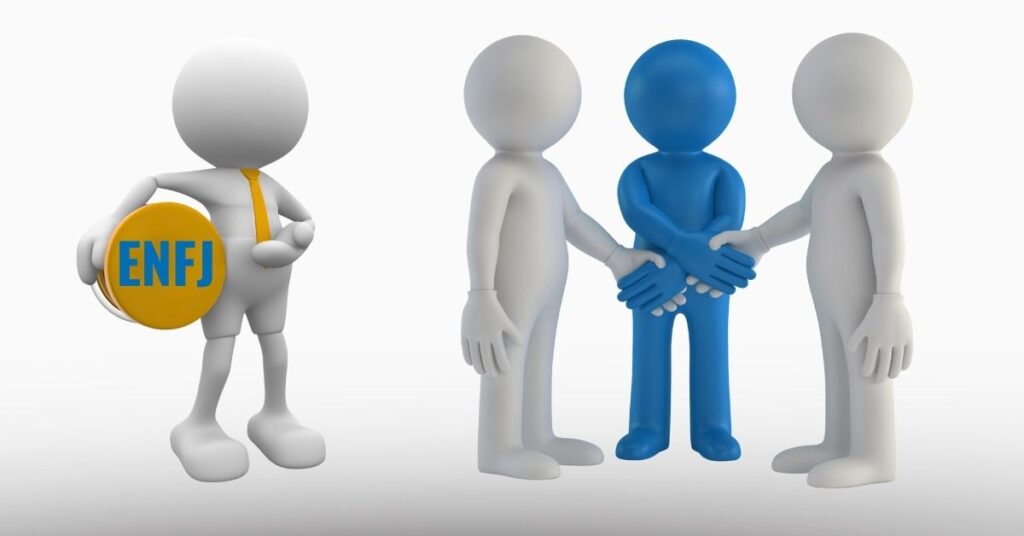
Yes! Activators and “positive energizers” often show up as:
- High I or High D in DISC: enthusiastic, bold, action-oriented
- ENFP, ENFJ, ENTJ in Myers-Briggs: natural motivators, connectors, and doers
These styles tend to spark momentum in others. They’re high-energy, purpose-driven, and tend to light up a room.
But here’s the magic:
Any personality type can be an activator.
The quiet thinkers. The steady supporters. The deep feelers. Activation isn’t about being loud — it’s about being lit from within.
That’s why Activate the Awesome® (ATA) meets people where they are, not where a chart says they should be. It guides individuals through seven intentional steps to reconnect with who they are, why they matter, and how they want to show up.
What makes ATA and Positive Impact Mapping® (PIM) different?
Where DISC and MBTI describe how you show up, ATA and PIM uncover why you matter — and how others feel that value.
These tools are:
- Human-centered — built for people, not just performance
- Experiential — designed to be felt, not just analyzed
- Real-time and reflective — giving insight that adapts as you do
- Action-oriented — with tools that can be used immediately
In organizations, this shift creates a culture where people feel seen and celebrated— not just categorized.
So, what now?
Start asking different questions.
Instead of “What’s your type?” try:
- “Where are you feeling most alive in your work?”
- “What strengths do others see in you that you might be missing?”
- “What’s one step you can take today to activate your awesome?”
Because people aren’t problems to solve or profiles to interpret.
They’re potential waiting to be reengaged.


Share this and start an AWESOME conversation today!